
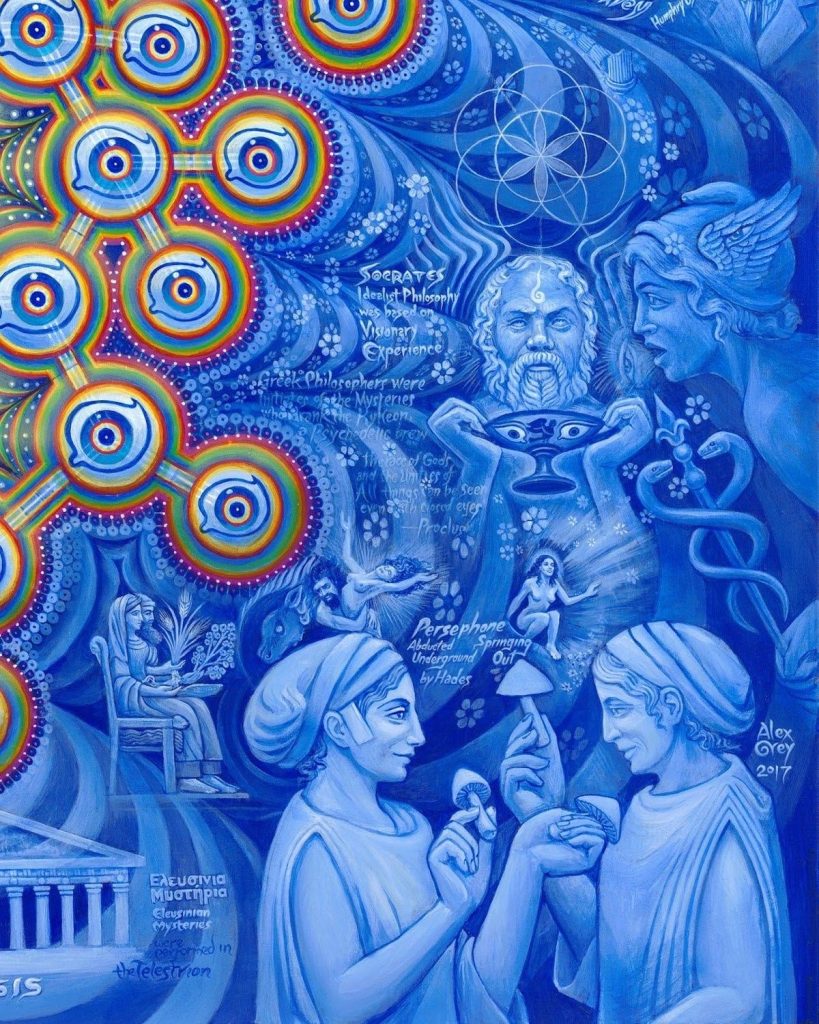
Serotonin is one of the most essential messengers in the human system—a molecular bridge between the body, mind, and spirit. It regulates mood, appetite, sleep, pain perception, digestion, and even how we experience connection and joy. Around 90% of serotonin is actually produced in the gut, not the brain, making it one of the clearest examples of how our emotional and physical health are inseparable. When serotonin levels fall out of balance, everything begins to drift—our sleep cycles, our appetite, our capacity to focus, and even our immune response.
Deficiency in serotonin doesn’t just bring low mood or anxiety—it creates a kind of internal noise in the nervous system. The rhythms that keep the brain and body in sync begin to lose coherence. Because serotonin is also the precursor to melatonin (the sleep hormone), imbalances affect the body’s repair cycles, making us more prone to exhaustion, inflammation, and emotional volatility. Over time, the system forgets how to regulate itself, and the mind can get caught in rigid patterns—replaying old memories, beliefs, and emotional imprints.
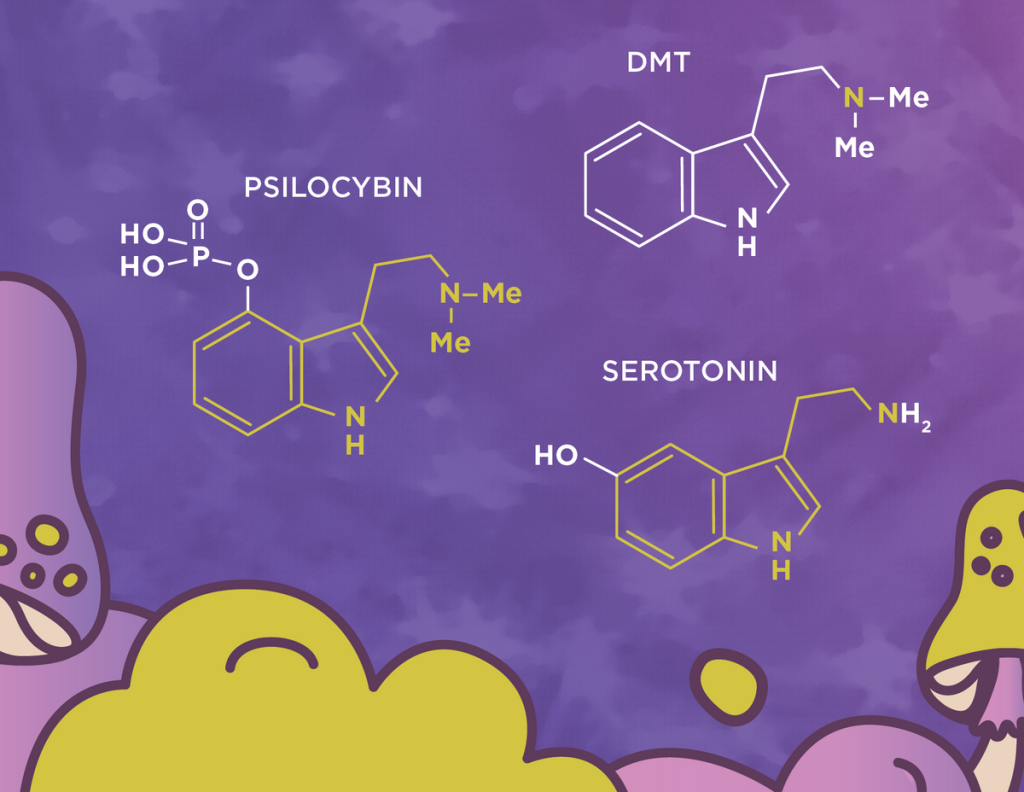
Healing, then, isn’t just about feeling better—it’s about reconnecting the circuitry, restoring the nervous system’s ability to rewire and regenerate. That’s where serotonergic psychedelics—such as psilocybin, LSD, and DMT—offer something extraordinary. These compounds mimic serotonin in the brain and interact primarily with 5-HT2A receptors, which are deeply involved in perception, emotion, and learning. When these receptors are activated, the brain enters a highly plastic state—a kind of open architecture where neural pathways can reorganize, reconnect, and release old constraints.
A 2023 study from Weill Cornell Medicine found that psilocybin and LSD lower the “energy barriers” between different brain states, allowing the mind to shift more fluidly between modes of consciousness. This flattening of boundaries promotes flexibility, creativity, and deep emotional processing—qualities often diminished in depression and trauma. In essence, psychedelics make it easier for the brain to “unlearn” what no longer serves, and “relearn” new, healthier ways of functioning.
Unlike most pharmaceutical antidepressants, which maintain serotonin levels artificially, psychedelics activate the deeper intelligence of the system. They don’t simply suppress symptoms—they help the brain remember how to heal. They create a neurochemical environment that supports insight, emotional release, and long-term rewiring. When guided properly, this process mirrors the natural mechanisms of neurogenesis and regeneration that the nervous system is built for.

On a broader level, this process mirrors the ancient art of alchemy—the transformation of what is dense and heavy into something radiant and alive. Psychedelics follow the same principle: they dissolve rigidity and fear, soften the walls of separation, and allow clarity and connection to emerge. In alchemical terms, this is solve et coagula—the breaking apart of the old so that something new and more aligned can take shape. It’s not about escape from life, but about engaging with change consciously, letting it refine us from within.
Modern neuroscience now echoes this same truth in its own language. Each time the brain enters a state of neuroplasticity, it’s performing a kind of biological alchemy—disassembling old connections and forging new pathways that support growth, adaptation, and healing. Psychedelics amplify this natural process by mimicking serotonin and activating the parts of the brain responsible for learning, creativity, and emotional regulation. The result isn’t an artificial high but a genuine rebalancing—an opening of the system to its innate capacity for renewal.
In this light, the serotonergic system can be seen as nature’s built-in mechanism for transformation. It’s what allows both the individual and the species to adapt, evolve, and reorient toward balance. When we nourish it—through rest, mindfulness, and sometimes through sacred plant medicines—we participate in the same intelligence that shaped us in the first place.
Used with care and reverence, psychedelics become more than chemical agents; they become partners in evolution, reminding us that transformation is not an anomaly—it’s our nature. Healing isn’t about returning to what we were; it’s about remembering what we are capable of becoming. 🌿✨